Understanding Nutritional Science
Exploring the physiological factors in body weight regulation
Explore Key Topics
Discover the scientific foundations of nutrition and metabolism
How Energy Equilibrium Works
Learn about the mechanisms that maintain long-term energy balance in the human body.
Learn moreFrench Nutritional Patterns
Discover the scientific basis of traditional French food practices and their nutritional aspects.
Learn moreDaily Habits & Metabolism
Understand how lifestyle factors influence metabolic processes and overall health.
Learn moreCore Mechanisms of Body Weight Physiology
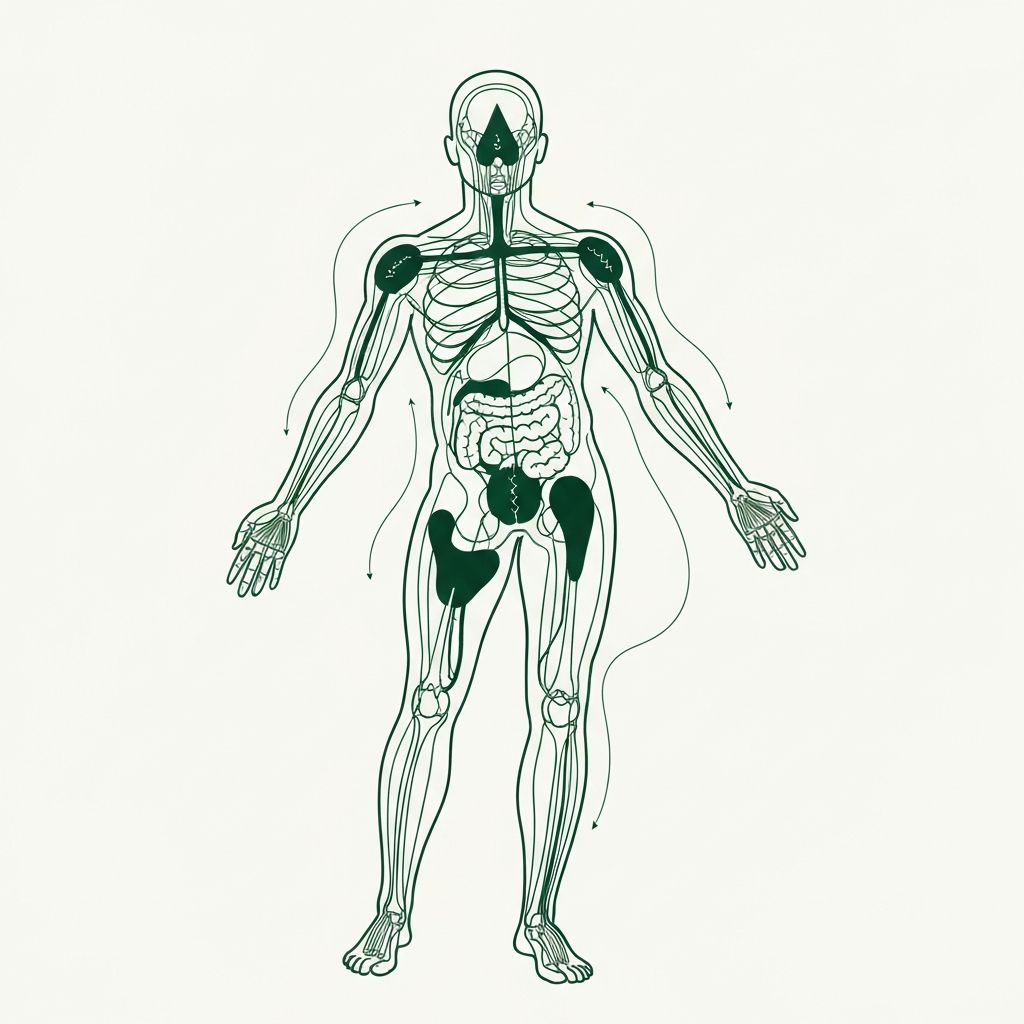
Body weight is regulated through complex physiological systems involving multiple organs and hormonal pathways. The hypothalamus, a region in the brain, acts as a control center, monitoring energy stores through signaling molecules like leptin and ghrelin.
Adipose tissue is not merely a passive storage depot but an active endocrine organ that secretes hormones influencing hunger, satiety, and metabolic rate. The gastrointestinal tract communicates with the brain through neural and hormonal signals that affect appetite regulation.
Understanding these mechanisms provides insight into why body composition varies among individuals and how factors beyond simple calorie counting influence weight distribution and metabolic health.
Nutritional Components in French Traditions
French dietary practices have evolved over centuries, reflecting principles of moderation, quality, and balance. Scientific research has examined various elements of these traditions:

Bread and Grain Products
Whole grain consumption is associated with increased dietary fiber intake, which influences digestive processes and satiety signals. The relationship between grain quality, preparation methods, and nutritional bioavailability continues to be studied in nutritional science.
Dairy and Fermented Foods
Cheese and other fermented dairy products contain various bioactive compounds and micronutrients. Research examines how fermentation processes affect nutrient density, digestibility, and interactions with gut microbiota—factors relevant to metabolic health.

Energy Balance Explained Scientifically
Energy balance is the relationship between energy intake through food and beverages and energy expenditure through basal metabolism, physical activity, and digestive processes. While often simplified as "calories in versus calories out," this concept involves complex physiological regulation.
Macronutrient composition influences metabolic processes differently. Protein has a higher thermic effect than carbohydrates or fats, meaning more energy is required for its digestion. Different foods activate distinct signaling pathways that affect subsequent hunger and eating behavior.
The concept of energy balance helps explain population-level trends but must account for individual metabolic variations, genetic factors, hormonal status, and the composition of consumed foods rather than simple energy quantity alone.

Frequently Asked Questions
What is the role of metabolic rate in body weight regulation?
Metabolic rate represents the total energy expenditure needed to maintain body functions at rest. It varies based on age, muscle mass, hormonal status, and genetic factors. Understanding that metabolic rate differs among individuals helps contextualize why dietary responses vary between people.
How do different macronutrients affect satiety?
Protein, carbohydrates, and fats activate different satiety signals in the gastrointestinal tract and brain. Protein generally produces stronger satiety effects per calorie than other macronutrients, which is relevant to understanding dietary composition and energy balance.
What is the significance of nutrient density?
Nutrient density refers to the amount of micronutrients relative to energy content. Foods with higher nutrient density provide more vitamins, minerals, and bioactive compounds per unit of energy. This concept helps explain why food quality influences overall nutritional status beyond basic energy provision.
How do meal frequency and timing influence metabolism?
Research on meal frequency and timing presents nuanced findings. While traditional recommendations suggest multiple daily meals, the evidence indicates that meal pattern consistency may be more important than frequency for metabolic regulation and overall nutritional outcomes.
Lifestyle Factors in Metabolic Health

Physical activity influences body composition through multiple mechanisms: increasing energy expenditure, maintaining muscle mass, and affecting hormonal signaling related to appetite and metabolism. Regular movement is associated with improved insulin sensitivity and metabolic flexibility.
Sleep quality and duration affect hormonal regulation of appetite and energy expenditure. Sleep deprivation is associated with alterations in leptin and ghrelin signaling, potentially influencing dietary choices and metabolic processes.
Stress and emotional states influence eating behavior through neural pathways and hormonal signaling. Cortisol and other stress hormones can affect energy storage patterns and nutrient partitioning in the body.
Common Nutritional Misconceptions
Myth vs. Evidence
Misconception: Certain foods have "negative calories" requiring more energy to digest than they provide.
Scientific Reality: While protein has a higher thermic effect than other macronutrients, no food requires more energy to digest than it contains. The thermic effect of protein accounts for approximately 20-30% of its energy content, meaning the net energy from protein is still substantial.
Misconception: Timing of meals dramatically affects metabolic rate and weight management.
Scientific Reality: While meal timing can influence adherence to dietary patterns, research does not support the idea that eating at specific times fundamentally alters metabolic rate or creates significant differences in weight management when total intake is controlled.

Educational Content and Limitations
Information Nature: This resource presents information for educational purposes only, explaining the science of nutrition and metabolism.
No Medical Services: ParisNutriExpert does not provide medical services, medical diagnosis, medical treatment, or medical advice.
Individual Differences: Nutritional needs and responses vary significantly among individuals based on genetics, health status, medications, and other factors.
Professional Consultation: Information presented here should not replace personalized guidance from qualified healthcare professionals or registered dietitians.
Deepen Your Understanding
Explore more scientific insights into nutrition, metabolism, and health. Visit our blog for detailed articles and research summaries.
Explore the Blog